English students of the world rejoice – another reason not to read Jane Austen. Joe Wright’s latest incarnation of Austen’s classic Pride & Prejudice is a mostly blissful time-traveling bus tour through a giggly and gorgeous English countryside. To your left note the lovely ladies Bennet, all sideways glances, blushing cheeks and innuendo. To your right, lenses at the ready for the dapper, tall, dark, and handsome objects of their affection, Darcy, Bingley, and Wickham! Swoon… Watch them as they play and woo, mismanage and miscarry, repress and reveal. This flighty matrimonial preamble is the pleasure of Wright’s adaptation, briskly played in balls and manors. When at its playful best, it dances lightly with humor and delight. However, the film’s occasional missteps, rhythm-less moves into the shadows of darker and more serious emotional territory, threaten to sink rather than anchor Wright’s film with any of the depth they intend to provide.
For those who are unaware of Austen’s novel (it might be helpful to consider that The Lion King is to Hamlet as Bridget Jones’ Diary is to Pride & Prejudice), Pride & Prejudice is the story of the Bennet sisters, and particularly, second eldest child Elizabeth (Keira Knightley). These desperate housewives-to-be are in dire pursuit of a man. For the younger girls, and Elizabeth’s squawking mother (a superbly erratic Brenda Blethyn), a man’s greatest endowment is his wallet. However, for Elizabeth and oldest sister Jane (Rosamund Pike) love is the only currency in which they wish to deal. Convenient then that the objects of their affections, Mr. Bingley (Simon Woods) for Jane, and the infamously standoffish Mr. Darcy (Matthew MacFadyen) for Elizabeth, are moneyed up to the kilt when they ride into town to stir trouble and steal hearts. Elizabeth’s very cinematic blindness to Darcy’s very British advance is the centerpiece of both novel and film, with all suspense drawn from the “will they or won’t they” dilemma.
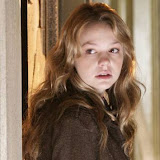
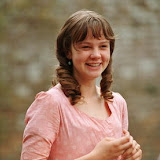
The film opens gloriously and sails solidly for sometime thereafter, compelled by a freshness in its handling of the period. The camera is relaxed but never stagnant. An early shot following Elizabeth through the Bennet household (echoed later at a dance) has an Altman-esque charm, paying mild attention to sisterly passers-by, eavesdropping, before moving on and regaining focus. The dialogue is snappy (“Believe me, men are either eaten up with arrogance or stupidity”) and full of the fruity and literary language one would expect from an Austen adaptation. As if we were on tour, Wright’s schedule is full, Austen’s agenda dictates that it must be, and in its first half, Pride & Prejudice delights in entertaining us at balls, in fields, in parlors and giggling with teenage girls under bed sheets. The Bennets are charming company, Jena Malone and Carey Mulligan as the youngest sisters offer an amazing energy to the production as a pair of mawkish desperados. Donald Sutherland as Mr. Bennet delivers a fine performance, and is given the film’s best line and most poignant moment seconds before the credits roll.
However, when Wright moves away from the Bennet household Pride & Prejudice loses much of its charm and flow. The tour becomes plodding as Elizabeth takes center stage and we are dragged with her to various uninspiring locations across England in a doggedly inevitable march to Darcy. Part of the flaw, dare I say it, is a structural problem inherited from the novel. Darcy and Elizabeth are never given the opportunity to fall in love, so that when their confessions come (and it is not giving much away to say that they do), one wonders when they possibly had the time or inclination to fall for each other so deeply. The only evidence Wright offers is in the unspoken chemistry between his leads, MacFadyen and Knightley, at times almost scorching enough to justify their inevitable union. This pause in the film, away from the Bennet home, pulls from under it the emotional investment achieved in its earlier stages. And unfortunately, the casting of Knightley as the iconic Elizabeth does not help.
Knightley is an intelligent and photogenic actor and for much of the film, particularly when lit by the blue hues of dawn, is a more than adequate protagonist. Yet when the rain comes, the film delves deeper, and more than a wry smile is required, Knightley is lacking. Her shrill hurt and played realization ring false and only confirm the growing feeling that Pride & Prejudice is a fairly superficial exercise. Elizabeth Bennet is a complex character, a contradiction between youth, femininity, wisdom and sass, and Knightley’s admirable attempt does Austen’s character only infrequent justice.
Joe Wright’s adaptation is diligent, faithful, sweeping, full of witty retorts, generally well cast, and yet emotionally unpersuasive. The audience is offered a glance through the looking glass into the lives of the Bennets and their dark and handsome pursuits, but never are we allowed off the bus to fully engage. Sumptuous and diverting, this Pride & Prejudice is delightful, but only hints at being anything more.
http://www.filmcritic.com/misc/emporium.nsf/reviews/Pride-and-Prejudice-(2005)
Friday, 23 November 2007

'What I've learned from the real legends'
Keira Knightley talks to Robert Hayes about her latest role, winning awards and working with Depp, Dench and Donald
By Robert Hayes
Thursday November 22 2007
She was nominated for an Academy Award for her role as Elizabeth Bennet in Pride & Prejudice, acted opposite Orlando Bloom and Keith Richards in the Pirates of the Caribbean trilogy, and this week Atonement star Keira Knightley was crowned film actress of the year at the Variety Club Showbiz Awards in London.
The Oscar buzz is intensifying around 22-year-old Keira, who is currently filming Tony Scott's period drama The Duchess, but has taken some time out to answer our questions about life as a child actress, body fascism and working with Johnny Depp.
NATALIE PORTMAN SAID ALL THE YOUNG ACTORS WHO ARE GETTING ROLES BEGAN WORKING AS CHILDREN. IT SEEMS TO BE SUCH A HARD BUSINESS. ARE YOU SURPRISED AT HOW EASY IT HAS BEEN OR HAS IT BEEN A TOUGH ROAD?
No, not particularly. I'd love to say it was that dramatic. I think that this is an industry of smoke and mirrors. I think everybody thinks they know what the entertainment industry is and very few people actually do.
I think the wonderful thing about having been a child actor is that I've seen the truth of it from a very, very early age. I've never come into it with this idea of what it was going to be.
I always saw a kind of reality and I think that's very helpful. It is hard. If you don't have the support there, it's very easy to crumble under the strain of that.
YOU'RE CURRENTLY SHOOTING 'THE DUCHESS'. WHAT ROLE DO YOU PLAY?
I'm the Duchess, and it's set in the 1780s. It's about Georgiana, the Duchess of Devonshire, who was a political hostess for the weaker party in the 1780s. It's about her marriage and various relationships along the way.
I've done a lot of modern-day pieces though such as Bend It Like Beckman, Love Actually and The Jacket. But I do like period films. I think if you're working in England, then more often than not, you're going to be working in period pieces because I think that's what sells abroad the most. I've always loved them from a very early age.
For me, film is about escapism. What excites me about my job is trying to find realities that are impossible to find today, so therefore going back in time is definitely one of them. I love trying to find the way these people thought in such different societies.
In a funny way, I find it more liberating, because we don't actually know what it was like, so you can play around with it.
THERE'S DEFINITE OSCAR BUZZ AROUND 'ATONEMENT', AND YOU'VE EXPERIENCED THIS BEFORE WITH 'PRIDE & PREJUDICE' SO DO YOU LIKE THE 'BEST ACTRESS' RACE?
I don't make films in order to get awards. I obviously don't make films for an audience of one. You want as many people to see films as possible. You want them to enjoy or get moved by films that you're in. I think if it got nominations, if it got awards, then that would be the icing on the cake.
If it doesn't, that does not devalue the piece of the work. It must never turn into 'I'm doing this to get...' and so it doesn't. But, yes, how lovely that people are actually mentioning this film in the same sentence as the Oscars.
WHAT ARE SOME THINGS YOU'VE PICKED UP FROM THE GREAT GROUP OF ACTORS YOU'VE WORKED WITH?
I'd watch Johnny [Depp], I'd go right, you're a genius, you're a legend, I'm going to understand how that works, and I'm going to be better, and you watch it and you have no idea how that happens. I don't know what they're doing, I don't know where it comes from.
So I don't think you can actually pick up something or I haven't been able to steal anything. I think what I've learned -- actually from working with everyone -- but mostly from Donald Sutherland and Judi Dench. They're both living legends, and they were both really nervous when we started [filming Pride & Prejudice], and both so excited by it.
They were watching Carey Mulligan and Talulah Riley, who were playing two of my sisters, and they were so excited about how good they were.
For people who've made hundreds of films, to still be that excited, and still be that nervous, and you're kind of [amazed]. As a 20-year-old actress, you go yeah, they're sitting there, they're still learning, nothing's ever good enough, they're still hungry for it, and you think that's brilliant.
And it's the same with Johnny Depp, you watch him playing Jack Sparrow, and he's loving it, he's excited by it, and sometimes he goes 'oh, was that all right; was that okay?'
And you say, 'you're Johnny Depp, man! You know that's okay! You know that's okay!' But he doesn't. He's still going, 'Gore [Verbinski], help!' I mean, that's amazing, it's cool. It just is a privilege to see the human side of it, it's really exciting.
WHAT DO YOU DO WITH YOUR TIME OFF?
I really don't have any time off, but I've got a couple of weeks holidays over Christmas, I'm going to go home to London and sit in my flat and not move.
- Robert Hayes
http://www.independent.ie/entertainment/film-cinema/what-ive-learned-from-the-real-legends-1226428.html
By Robert Hayes
Thursday November 22 2007
She was nominated for an Academy Award for her role as Elizabeth Bennet in Pride & Prejudice, acted opposite Orlando Bloom and Keith Richards in the Pirates of the Caribbean trilogy, and this week Atonement star Keira Knightley was crowned film actress of the year at the Variety Club Showbiz Awards in London.
The Oscar buzz is intensifying around 22-year-old Keira, who is currently filming Tony Scott's period drama The Duchess, but has taken some time out to answer our questions about life as a child actress, body fascism and working with Johnny Depp.
NATALIE PORTMAN SAID ALL THE YOUNG ACTORS WHO ARE GETTING ROLES BEGAN WORKING AS CHILDREN. IT SEEMS TO BE SUCH A HARD BUSINESS. ARE YOU SURPRISED AT HOW EASY IT HAS BEEN OR HAS IT BEEN A TOUGH ROAD?
No, not particularly. I'd love to say it was that dramatic. I think that this is an industry of smoke and mirrors. I think everybody thinks they know what the entertainment industry is and very few people actually do.
I think the wonderful thing about having been a child actor is that I've seen the truth of it from a very, very early age. I've never come into it with this idea of what it was going to be.
I always saw a kind of reality and I think that's very helpful. It is hard. If you don't have the support there, it's very easy to crumble under the strain of that.
YOU'RE CURRENTLY SHOOTING 'THE DUCHESS'. WHAT ROLE DO YOU PLAY?
I'm the Duchess, and it's set in the 1780s. It's about Georgiana, the Duchess of Devonshire, who was a political hostess for the weaker party in the 1780s. It's about her marriage and various relationships along the way.
I've done a lot of modern-day pieces though such as Bend It Like Beckman, Love Actually and The Jacket. But I do like period films. I think if you're working in England, then more often than not, you're going to be working in period pieces because I think that's what sells abroad the most. I've always loved them from a very early age.
For me, film is about escapism. What excites me about my job is trying to find realities that are impossible to find today, so therefore going back in time is definitely one of them. I love trying to find the way these people thought in such different societies.
In a funny way, I find it more liberating, because we don't actually know what it was like, so you can play around with it.
THERE'S DEFINITE OSCAR BUZZ AROUND 'ATONEMENT', AND YOU'VE EXPERIENCED THIS BEFORE WITH 'PRIDE & PREJUDICE' SO DO YOU LIKE THE 'BEST ACTRESS' RACE?
I don't make films in order to get awards. I obviously don't make films for an audience of one. You want as many people to see films as possible. You want them to enjoy or get moved by films that you're in. I think if it got nominations, if it got awards, then that would be the icing on the cake.
If it doesn't, that does not devalue the piece of the work. It must never turn into 'I'm doing this to get...' and so it doesn't. But, yes, how lovely that people are actually mentioning this film in the same sentence as the Oscars.
WHAT ARE SOME THINGS YOU'VE PICKED UP FROM THE GREAT GROUP OF ACTORS YOU'VE WORKED WITH?
I'd watch Johnny [Depp], I'd go right, you're a genius, you're a legend, I'm going to understand how that works, and I'm going to be better, and you watch it and you have no idea how that happens. I don't know what they're doing, I don't know where it comes from.
So I don't think you can actually pick up something or I haven't been able to steal anything. I think what I've learned -- actually from working with everyone -- but mostly from Donald Sutherland and Judi Dench. They're both living legends, and they were both really nervous when we started [filming Pride & Prejudice], and both so excited by it.
They were watching Carey Mulligan and Talulah Riley, who were playing two of my sisters, and they were so excited about how good they were.
For people who've made hundreds of films, to still be that excited, and still be that nervous, and you're kind of [amazed]. As a 20-year-old actress, you go yeah, they're sitting there, they're still learning, nothing's ever good enough, they're still hungry for it, and you think that's brilliant.
And it's the same with Johnny Depp, you watch him playing Jack Sparrow, and he's loving it, he's excited by it, and sometimes he goes 'oh, was that all right; was that okay?'
And you say, 'you're Johnny Depp, man! You know that's okay! You know that's okay!' But he doesn't. He's still going, 'Gore [Verbinski], help!' I mean, that's amazing, it's cool. It just is a privilege to see the human side of it, it's really exciting.
WHAT DO YOU DO WITH YOUR TIME OFF?
I really don't have any time off, but I've got a couple of weeks holidays over Christmas, I'm going to go home to London and sit in my flat and not move.
- Robert Hayes
http://www.independent.ie/entertainment/film-cinema/what-ive-learned-from-the-real-legends-1226428.html
Sunday, 18 November 2007
TV Review – My Boy Jack, ITV1, Sunday 11th November, 9pm
My cousin is fascinated by World War I, buys all the books and watches all the films. Down the years, thanks to her storytelling and encouragement, I've also become fascinated by this horrible war. Why? I often ask myself that question, as I'm not that keen in wars, full stop. I guess it's to do with the enormous amount of casualties, the horrifying conditions the war was fought out in, the way huge swathes of the Europe's male population were killed, and how pretty much every town and community was affected by this thing.
One man who can empathise with all these points is Rudyard Kipling. The man who wrote The Jungle Book and won the Nobel Prize for literature in 1907 couldn't do any wrong. He was married, had a big house in the country, was loved everywhere and mates with the King. Like many fathers up and down the land, his life was about to change when Britain declared war on Germany in 1914.
I'd already watched an excellent Jeremy Paxman documentary earlier in the evening on BBC1, about the inspirational World War I poet Wilfred Owen, so I was looking forward to watching My Boy Jack. All I knew about it was that David Haig was reprising his role as Rudyard Kipling from the West End play, and the cast was strong – Daniel Radcliffe, Kim Cattrell and the always-excellent Carey Mulligan (who's becoming a bit of costume drama Queen these days).
The opening sequence saw Rudyard Kipling race to some big, posh house to meet his mate the King, no less, where they had a whiskey, said pip-pip to each other and discussed the state of things, what-ho. The King asked Rudyard to go easy on his public speaking – Rud had been whipping up a fervour recently by shouting that the British Army simply wasn't ready for war, and that recruits were needed, and needed fast... so come on, what are you waiting for? It's your time to serve King and country!
The King wanted him to calm down, but Rud, patriotic veins bulging in his temples, refused and said he bally well wouldn't (or something along those posh, early 20th century language lines). We then cut to Rud's son John, or Jack, failing a medical at the Navy because of his myopia and fears from Army people that wearing spectacles may endanger himself and his fellow men.
When the family all got home to their beautiful, rural pile we were introduced to the rest of the Kipling family – Rud's wife Cassie (Cattrell) and mischievous daughter Elsie (Mulligan). Their idyllic lifestyle was laid out in front of us in all its glory – rose gardens, motorcycles in the shed, smoking rooms... the whole nine yards. Just below this surface of tranquility Rud was seething at his son's rejection and vowed to help him out by talking to a few of his influential friends down at the war office. You got the impression that he – another spectacle wearer – wanted his son to live out what he always wanted to.
Thanks to his dad's political wheeling and dealing, Jack finally got into the Army, and the fresh-faced young man (or “old man” as his dad insisted on calling him) was off to boot camp quicker than you can say, "Mr Kipling bakes exceedingly good cakes". This is when the drama started to pick up – after a slowish start I did wonder if I could feel enough for Rud to feel sorry for him. It was obvious what was going to happen – rabidly patriotic and pro-war dad (who likened Empire to 'Britain's family of nations' and the need for war as, 'the parents looking after the nation of children') tries his best to get his son into the army, son goes to war, son dies, dad feels awful.
This is pretty much what happened of course, but not before we saw Jack become a man at boot camp, return home with a 'tache and an officer's badge. There was a very moving moment when mother and son said their goodbyes before his journey to France (and impending doom). This is what these war stories are all about for me – the family relationships, how the dynamic between the mother/father and son changes, and the way, however old and mature these young men think they are, they are reduced to babies when they're forced to say goodbye. Kim Cattrell played this moment very well.
Jack Kilping was 17 years old when he went off to the front line in France. His mother and father were left at home, a once lively and colourful country paradise, now empty and foreboding. We got a glimpse of the horrors of trench warfare, but before you knew it, Jack was to go over the top... the day after his 18th birthday.
The day (and time) of the big push saw the drama produce one of its most powerful scenes. While Jack rallied his troops in the trenches – who were shaking and vomiting with fear – Rud and Cassie got out of bed and went into the garden to sit quietly in their pyjamas. Two different calms before the storm.
You just knew what was going to happen, and the next hugely powerful scene saw Rud receive a telegram at the home. The walk from his front door to the reading room, unopened telegram in his pocket, was the sort of scene where time stood still – every parent's nightmare.
Jack was pronounced missing in action, but Rud and Cassie doggedly clung to hope. While Rud slowly came to terms with his part in his son's death, Cassie was stoic and searched for answers. But the writing was on the wall – a moving testimony from a wounded soldier, who went over the top with Jack, confirmed that he did indeed die behind enemy lines.
Having read a bit more about Rudyard Kipling, commentators say that his post-war work was severely affected by what happened to his son (not least his poem, My Boy Jack). You’re not kidding! I think it would severely affect any parent who has lost a son at war, no matter what they did for a living.
So what did I think of all this? It was a fascinating story, but not up there in the top drawer of dramas, I have to admit.
The performances were all terrific, it looked lavish and the war scenes were Saving Private Ryan-esque (or as much as a TV drama can), but there was just something missing. Perhaps I didn't warm to Rud's character, perhaps both the pacing and plotting were a bit choppy and, perhaps, the story wasn’t quite as gripping as other WWI stories I’ve read.
I also have to say that there's just something different and wrong about ITV dramas. Something undefinable and slightly odd – maybe it's the commercial breaks, but I've never seen an ITV drama that's well-paced or well edited. Maybe a Cracker or a Prime Suspect, but that's about it.
But what can you do when you review a WWI drama? Criticise the plot? Have a go at a mother and father coming to terms with the loss of their son? Pour scorn on one young man's coming-of-age that, tragically, wasn't completed? Of course not. It's another hugely worthy, human story that serves to remind us how different things were then – the British stiff upper lip was in full-effect, boys and men from across the land were willing to lay down their lives unconditionally for King and country, and the glamour of war (if there is such a thing) was in stark contrast to the sickening reality.
In that respect, My Boy Jack was a moving reminder why we should all never, ever forget.
http://www.tvscoop.tv/2007/11/tv_review_my_bo.html
One man who can empathise with all these points is Rudyard Kipling. The man who wrote The Jungle Book and won the Nobel Prize for literature in 1907 couldn't do any wrong. He was married, had a big house in the country, was loved everywhere and mates with the King. Like many fathers up and down the land, his life was about to change when Britain declared war on Germany in 1914.
I'd already watched an excellent Jeremy Paxman documentary earlier in the evening on BBC1, about the inspirational World War I poet Wilfred Owen, so I was looking forward to watching My Boy Jack. All I knew about it was that David Haig was reprising his role as Rudyard Kipling from the West End play, and the cast was strong – Daniel Radcliffe, Kim Cattrell and the always-excellent Carey Mulligan (who's becoming a bit of costume drama Queen these days).
The opening sequence saw Rudyard Kipling race to some big, posh house to meet his mate the King, no less, where they had a whiskey, said pip-pip to each other and discussed the state of things, what-ho. The King asked Rudyard to go easy on his public speaking – Rud had been whipping up a fervour recently by shouting that the British Army simply wasn't ready for war, and that recruits were needed, and needed fast... so come on, what are you waiting for? It's your time to serve King and country!
The King wanted him to calm down, but Rud, patriotic veins bulging in his temples, refused and said he bally well wouldn't (or something along those posh, early 20th century language lines). We then cut to Rud's son John, or Jack, failing a medical at the Navy because of his myopia and fears from Army people that wearing spectacles may endanger himself and his fellow men.
When the family all got home to their beautiful, rural pile we were introduced to the rest of the Kipling family – Rud's wife Cassie (Cattrell) and mischievous daughter Elsie (Mulligan). Their idyllic lifestyle was laid out in front of us in all its glory – rose gardens, motorcycles in the shed, smoking rooms... the whole nine yards. Just below this surface of tranquility Rud was seething at his son's rejection and vowed to help him out by talking to a few of his influential friends down at the war office. You got the impression that he – another spectacle wearer – wanted his son to live out what he always wanted to.
Thanks to his dad's political wheeling and dealing, Jack finally got into the Army, and the fresh-faced young man (or “old man” as his dad insisted on calling him) was off to boot camp quicker than you can say, "Mr Kipling bakes exceedingly good cakes". This is when the drama started to pick up – after a slowish start I did wonder if I could feel enough for Rud to feel sorry for him. It was obvious what was going to happen – rabidly patriotic and pro-war dad (who likened Empire to 'Britain's family of nations' and the need for war as, 'the parents looking after the nation of children') tries his best to get his son into the army, son goes to war, son dies, dad feels awful.
This is pretty much what happened of course, but not before we saw Jack become a man at boot camp, return home with a 'tache and an officer's badge. There was a very moving moment when mother and son said their goodbyes before his journey to France (and impending doom). This is what these war stories are all about for me – the family relationships, how the dynamic between the mother/father and son changes, and the way, however old and mature these young men think they are, they are reduced to babies when they're forced to say goodbye. Kim Cattrell played this moment very well.
Jack Kilping was 17 years old when he went off to the front line in France. His mother and father were left at home, a once lively and colourful country paradise, now empty and foreboding. We got a glimpse of the horrors of trench warfare, but before you knew it, Jack was to go over the top... the day after his 18th birthday.
The day (and time) of the big push saw the drama produce one of its most powerful scenes. While Jack rallied his troops in the trenches – who were shaking and vomiting with fear – Rud and Cassie got out of bed and went into the garden to sit quietly in their pyjamas. Two different calms before the storm.
You just knew what was going to happen, and the next hugely powerful scene saw Rud receive a telegram at the home. The walk from his front door to the reading room, unopened telegram in his pocket, was the sort of scene where time stood still – every parent's nightmare.
Jack was pronounced missing in action, but Rud and Cassie doggedly clung to hope. While Rud slowly came to terms with his part in his son's death, Cassie was stoic and searched for answers. But the writing was on the wall – a moving testimony from a wounded soldier, who went over the top with Jack, confirmed that he did indeed die behind enemy lines.
Having read a bit more about Rudyard Kipling, commentators say that his post-war work was severely affected by what happened to his son (not least his poem, My Boy Jack). You’re not kidding! I think it would severely affect any parent who has lost a son at war, no matter what they did for a living.
So what did I think of all this? It was a fascinating story, but not up there in the top drawer of dramas, I have to admit.
The performances were all terrific, it looked lavish and the war scenes were Saving Private Ryan-esque (or as much as a TV drama can), but there was just something missing. Perhaps I didn't warm to Rud's character, perhaps both the pacing and plotting were a bit choppy and, perhaps, the story wasn’t quite as gripping as other WWI stories I’ve read.
I also have to say that there's just something different and wrong about ITV dramas. Something undefinable and slightly odd – maybe it's the commercial breaks, but I've never seen an ITV drama that's well-paced or well edited. Maybe a Cracker or a Prime Suspect, but that's about it.
But what can you do when you review a WWI drama? Criticise the plot? Have a go at a mother and father coming to terms with the loss of their son? Pour scorn on one young man's coming-of-age that, tragically, wasn't completed? Of course not. It's another hugely worthy, human story that serves to remind us how different things were then – the British stiff upper lip was in full-effect, boys and men from across the land were willing to lay down their lives unconditionally for King and country, and the glamour of war (if there is such a thing) was in stark contrast to the sickening reality.
In that respect, My Boy Jack was a moving reminder why we should all never, ever forget.
http://www.tvscoop.tv/2007/11/tv_review_my_bo.html
OT: Ratings Roundup - No.01 (17.11.07)
This is the first off topic posts which focus on Ratings for this website.
Our daily hit count is around 30 to 50 hits, but in the week surrounding the ITV Showing of My Boy Jack, we got over 500 hits altogether. Before this our rating peaks of around 88 and 92 hits on the tranmission date of Doctor Who's 'Blink' in the US. So far in the past month, this site has gained 1,454 Page Views since it's launchwith around 340 people being regular vistors to this site
Top Visiting Countries
01. United Kingdom - 468
02. United States - 293
03. Canada - 044
04. New Zealand - 025
05. Australia - 021
06. Spain - 007
07. Germany - 005
08. Japan - 005
09. Sweden - 004
10. Ireland - 004
11. South Korea - 003
12. Chile - 002
13. Netherlands - 002
14. Taiwan - 002
15. Argentina - 002
16. Italy - 002
17. Singapore - 001
18. Hong Kong - 001
19. Norway - 001
20. Israel - 001
Reasons For Visiting This Blog
This is an interesting chart showing the Top Keywords and Search results that has led people to visiting this blog all about Carey Mulligan. The results may just surprise you very much.
01 - Carey Mulligan Herself - 365
02 - "Doctor Who" - 262
03 - "The Amazing Mrs Pritchard" - 175
04 - Nude Pictures/Video of Carey Mulligan - 130
05 - "When Did You Last See Your Father" - 103
06 - "My Boy Jack" - 101
07 - Carey's Theatre Work - 101
08 - "Bleak House" - 088
09 - "Pride and Prejudice" - 060
10 - "Northanger Abbey - 043
11 - Pictures of Carey Mulligan - 040
12 - Who is Carey's Agent/ Send Fanmail - 018
13 - "Waking The Dead" - 005
14 - "Marple: The Sittaford Mystery" - 005
15 - "Trial & Retribution X" - 004
Thats the results until next time
Our daily hit count is around 30 to 50 hits, but in the week surrounding the ITV Showing of My Boy Jack, we got over 500 hits altogether. Before this our rating peaks of around 88 and 92 hits on the tranmission date of Doctor Who's 'Blink' in the US. So far in the past month, this site has gained 1,454 Page Views since it's launchwith around 340 people being regular vistors to this site
Top Visiting Countries
01. United Kingdom - 468
02. United States - 293
03. Canada - 044
04. New Zealand - 025
05. Australia - 021
06. Spain - 007
07. Germany - 005
08. Japan - 005
09. Sweden - 004
10. Ireland - 004
11. South Korea - 003
12. Chile - 002
13. Netherlands - 002
14. Taiwan - 002
15. Argentina - 002
16. Italy - 002
17. Singapore - 001
18. Hong Kong - 001
19. Norway - 001
20. Israel - 001
Reasons For Visiting This Blog
This is an interesting chart showing the Top Keywords and Search results that has led people to visiting this blog all about Carey Mulligan. The results may just surprise you very much.
01 - Carey Mulligan Herself - 365
02 - "Doctor Who" - 262
03 - "The Amazing Mrs Pritchard" - 175
04 - Nude Pictures/Video of Carey Mulligan - 130
05 - "When Did You Last See Your Father" - 103
06 - "My Boy Jack" - 101
07 - Carey's Theatre Work - 101
08 - "Bleak House" - 088
09 - "Pride and Prejudice" - 060
10 - "Northanger Abbey - 043
11 - Pictures of Carey Mulligan - 040
12 - Who is Carey's Agent/ Send Fanmail - 018
13 - "Waking The Dead" - 005
14 - "Marple: The Sittaford Mystery" - 005
15 - "Trial & Retribution X" - 004
Thats the results until next time
A Remembrance Day disservice
As ever, it was the week of the sorrow and the pity. The week on television that contains November 11 always has something that stuffs you with emotion. A boy wearing his father’s medals, an old man as straight as a Roman road in the cap of a long-amalgamated county regiment. This year, for me, it was Harry Patch, the last surviving combatant at Passchendaele. He spoke with that clear, reedy voice that surfs on the thin breath of the very old; and there was a moment when he paused and looked away, apparently caught on the wire of some flickering memory. To see the connection of this man, made venerable and precious by time, with the photographs and snatches of film from the first world war can never cease to astonish. The public interest in remembrance seems to be more intense than it was a few years ago: perhaps it’s because of the current cruel little wars, or maybe it’s the realisation that the generation who fought the second, and made the modern world, and who have always been there for us, are swiftly emigrating to that grainy other country across the Styx.
The showcase remembrance drama was My Boy Jack(Sunday, ITV1), a fictive version of the death of Rudyard Kipling’s only son at Loos just as he turned 18, and of the guilt and remorse felt by his jingoistic father. Daniel Radcliffe was rather touching as Jack, the shortsighted son of a shortsighted dad, given that he had little by way of motivation in an underwritten part in a woefully underwritten script by the actor David Haig, who himself played Kipling as a simple, childlike old duffer, awash with wholesome romance and naive patriotism – which is far less than a fraction of the truth about this complicated, immensely energetic, accomplished and inspiring man. His wife (played by Kim Cattrall) and daughter (Carey Mulligan) were written as completely modern figures who had modern feelings and put them in modern terms. It was altogether an annoyingly glib and shallow portrayal, seen with perfect hindsight. The truth was far more poignant and would have made a much better, if more complex, drama.
We were shown Jack Kipling’s heroic death, storming a machinegun that looked like something from the Thunderdome. This gave a cheap, saccharine neatness to the story, the sort of thing Kipling would have loathed. Actually, they never did find out how Jack died. There was one dubious report that he had been seen with a wounded jaw, weeping. The Kiplings spent years trying to find his grave, but never did. And that is a much more typical, tragic and universally unresolved ending. It is only with the smugness of looking back that you can see Jack Kipling’s death as ironic comeuppance for the patriotism of Rudyard. Nobody in 1914 foresaw the breadth and depth of the calamity, or the fathomless lake of grief the war would dig.
Jack was the second child Kipling lost prematurely. His adored first daughter died of pneumonia; the Just So stories were told for her. He wrote them down and published them in her memory. For Jack, he wrote his longest and least read book, a regimental history of the Irish Guards (the “Wild Geese”) in the first world war. In all its hundreds of grindingly detailed pages, Jack’s death merits only one bleakly factual line. Kipling wouldn’t give his son any special treatment in death, or single him out above anyone else’s son.
http://entertainment.timesonline.co.uk/tol/arts_and_entertainment/tv_and_radio/article2871022.ece
The showcase remembrance drama was My Boy Jack(Sunday, ITV1), a fictive version of the death of Rudyard Kipling’s only son at Loos just as he turned 18, and of the guilt and remorse felt by his jingoistic father. Daniel Radcliffe was rather touching as Jack, the shortsighted son of a shortsighted dad, given that he had little by way of motivation in an underwritten part in a woefully underwritten script by the actor David Haig, who himself played Kipling as a simple, childlike old duffer, awash with wholesome romance and naive patriotism – which is far less than a fraction of the truth about this complicated, immensely energetic, accomplished and inspiring man. His wife (played by Kim Cattrall) and daughter (Carey Mulligan) were written as completely modern figures who had modern feelings and put them in modern terms. It was altogether an annoyingly glib and shallow portrayal, seen with perfect hindsight. The truth was far more poignant and would have made a much better, if more complex, drama.
We were shown Jack Kipling’s heroic death, storming a machinegun that looked like something from the Thunderdome. This gave a cheap, saccharine neatness to the story, the sort of thing Kipling would have loathed. Actually, they never did find out how Jack died. There was one dubious report that he had been seen with a wounded jaw, weeping. The Kiplings spent years trying to find his grave, but never did. And that is a much more typical, tragic and universally unresolved ending. It is only with the smugness of looking back that you can see Jack Kipling’s death as ironic comeuppance for the patriotism of Rudyard. Nobody in 1914 foresaw the breadth and depth of the calamity, or the fathomless lake of grief the war would dig.
Jack was the second child Kipling lost prematurely. His adored first daughter died of pneumonia; the Just So stories were told for her. He wrote them down and published them in her memory. For Jack, he wrote his longest and least read book, a regimental history of the Irish Guards (the “Wild Geese”) in the first world war. In all its hundreds of grindingly detailed pages, Jack’s death merits only one bleakly factual line. Kipling wouldn’t give his son any special treatment in death, or single him out above anyone else’s son.
http://entertainment.timesonline.co.uk/tol/arts_and_entertainment/tv_and_radio/article2871022.ece
My Boy Jack [from Manchester Evening News]

JUST a reminder not to miss one of the TV dramas of the year tonight.
My Boy Jack will certainly be in the running when the awards are handed out.
In particular, David Haig as Rudyard Kipling and Harry Potter star Daniel Radcliffe as his son John – known as Jack.
“I certainly felt a lot in common with my character,” said Daniel at the Imperial War Museum screening this week.
David not only gives a superb performance as Kipling, he also wrote the drama.
“I’m more interested in the individual devastation a single loss in a war creates,” he explained.
“And the collateral damage to families, friends, relations, for generations to come.
“One single loss does that.
“On the morning of John’s death, 7,500 soldiers set off equal chain reactions, destruction within families.”
Kim Cattrall, who plays Jack’s mother Carrie, is a revelation for those who only know her through Sex And The City.
She says the story in the ITV1 drama, screened at 9pm, is just as relevant today as it was in 1915.
“I think the only thing that’s changed is that now young women are dying. It’s the sons and daughters.
“Unfortunately, we’ll never truly be rid of war.
“I think the most we can hope for is to continue to try and educate generations.”
Off screen, Kim has been trying to persuade an 18-year-old nephew not to sign up and serve in Iraq.
“And I have been anything but silent about it.”
Carey Mulligan, who plays Jack’s sister Elsie, says no acting was required for her scenes with Daniel.
“I had the exact same arguments with my brother about going to serve in Iraq last year.
“At the end of the day you’ve got to realise if someone is going to do something regardless, you’ve just got to love and support them as much as you can.
“Every time I switched the television on over the six months and saw images of Iraq, my heart stopped.
“The fear and the waiting, that’s what people can relate to.
“When I read the script, I could see exactly what David was getting at.
"I had been through it myself.
“The poems and the writing enhanced and articulated it in a different way, but the sentiment was the same.”
************************************************
My Boy Jack by Rudyard Kipling:
"HAVE you news of my boy Jack?”
Not this tide.
“When d’you think that he’ll come back?”
Not with this wind blowing, and this tide.
“Has any one else had word of him?”
Not this tide.
For what is sunk will hardly swim,
Not with this wind blowing, and this tide.
“Oh, dear, what comfort can I find?”
None this tide,
Nor any tide,
Except he did not shame his kind—
Not even with that wind blowing, and that tide.
Then hold your head up all the more,
This tide,
And every tide;
Because he was the son you bore,
And gave to that wind blowing and that tide!
***********************************************
http://blogs.manchestereveningnews.co.uk/ianwylie/2007/11/my_boy_jack.html
Sunday, 11 November 2007
In 1915 as in 2007, boy soldiers didn’t always come home [from Sunday Herald]
The Imperial War Museum in London is one of the very best museums in the country, as you can tell from the jib of its millions of visitors, from bewitched and boggle-eyed five-year-old kids to solemn German tourists to veterans spinning around in their wheelchairs, to anyone else who has a connection to any war, which is to say, pretty much everyone else on Earth.
For me, personally, it's the second world war, the war my dad served in and was a prisoner of war of the Japanese in, for three and a half years, in Burma, Bridge Over The River Kwai territory with none of the cinematography. Mum took her gas mask to school for years.
Her brother, meanwhile, the uncle I never knew, was killed on duty in the Black Watch, aged 21. As bald facts go, these unleash lifetimes of profound effect, and in the Imperial War Museum you can see, touch, imagine and hear the most minuscule echo of what some of that might have felt like: from original letters home from the PoWs of the Japanese to wandering the mocked-up ravines of the terrifying trenches; from shuffling through the reconstruction of a 1940s house to the sight of a ballistic missile, standing on end, as colossal and imposing as a rocket ship off to the moon.
You know it was all real, of course, but suddenly, it's really real. This week a press conference was held in the Imperial War Museum for the ITV drama My Boy Jack, which airs tonight, starring Daniel Radcliffe in the true story of Rudyard Kipling's teenage son, who was killed in the first world war, aged 18, in 1915.
Perched up on stage in the museum's cinema, Radcliffe sat alongside the scriptwriter and actor David Haig (Rudyard Kipling), Sex And The City's Kim Cattrall (Jack's mum, Carrie) and Bleak House actress Carey Mulligan (Jack's sister, Elsie). Here, then, as some kind of Remembrance Day tribute, are the selected conference highlights from the year in which, as an introductory big-wig from ITV had it, "there are 18-year-olds going to Iraq and still not coming back".
On the parallels between the troops in the first world war and the troops in Iraq today: Radcliffe: "I think it would be kind of arrogant of me to comment."
Haig: "I was especially interested in the individual devastation that a single loss in a war creates. The peripheral damage to families and friends, for generations to come. One single loss. On the morning of Jack's death, 7500 soldiers set off equal chain reactions of destruction."
Cattrall: "All of us, in some ways, have a connection. My grandfather served, he was gassed and I wish my father had known his father. And that maybe would've made him a different kind of dad."
On Radcliffe's great-uncle Ernie, who served at Loos, which means theoretically that Jack Kipling and great-uncle Ernie could have passed each other in the trenches: Radcliffe: "Yes, and that would be a rather remarkable coincidence. But he was one of three talismans that I had during filming. A picture of Uncle Ernie, two medals I was given as a present and a copy of Kipling's study of the Irish Guards The Irish Guards In The Great War.
"It was a pretty bizarre moment when I was told the medals had been presented to a William French, and then looked in the index in the back of Kipling's book and his name was there. You think: This man died then, at war, I don't know anything about him but he's entered my consciousness in 2007 and he entered Rudyard's 90 years ago'. And I thought that moment of shared experience was quite important."
On having a brother serve in Iraq while the character you're playing is the main family voice of dissent: Mulligan: "Yes, my brother was in the Territorial Army in Iraq for seven months, so I wasn't really acting. Funnily enough, there was a man on the news this morning, a lance-corporal, and he said he'd just come back and it was very hard because everyone was talking about The X Factor. And Emmerdale. Not that I'm blaming ITV "
On Radcliffe's interesting moustache: Radcliffe: "We filmed out of sequence, so I would've had to grow it back overnight, so it wasn't real, no. Another week and it would never have survived, it was seriously disintegrating "
As, indeed, did the rest of the press conference, which ended with The Sun wondering if Radcliffe was a Sex And The City fan (he'd never seen it) and the phenomenally successful weekly gossip bugle Grazia magazine wondering if Cattrall preferred her saucy Sex And The City outfits to the rather more austere garb of 1915. "Well," she said, "I've never been a big fan of the corset." Then the cast left, leaving us to contemplate exactly where we are nearly 100 years after the outbreak of the first world war.
"We are living in fast times," trumpets the official Grazia website, helpfully. "Life-changing news stories can gallop past us, delicious gossip can flutter and die, and fashion trends that are hot today are gone tomorrow.
"We will investigate the big issues of the week. You want to read the kind of interviews and reports that make you think seriously about your own life. There is no spin, no fluff, just straight-shooting information. Grazia: A Lot Can Happen In A Week!"
9:17pm Saturday 10th November 2007
For me, personally, it's the second world war, the war my dad served in and was a prisoner of war of the Japanese in, for three and a half years, in Burma, Bridge Over The River Kwai territory with none of the cinematography. Mum took her gas mask to school for years.
Her brother, meanwhile, the uncle I never knew, was killed on duty in the Black Watch, aged 21. As bald facts go, these unleash lifetimes of profound effect, and in the Imperial War Museum you can see, touch, imagine and hear the most minuscule echo of what some of that might have felt like: from original letters home from the PoWs of the Japanese to wandering the mocked-up ravines of the terrifying trenches; from shuffling through the reconstruction of a 1940s house to the sight of a ballistic missile, standing on end, as colossal and imposing as a rocket ship off to the moon.
You know it was all real, of course, but suddenly, it's really real. This week a press conference was held in the Imperial War Museum for the ITV drama My Boy Jack, which airs tonight, starring Daniel Radcliffe in the true story of Rudyard Kipling's teenage son, who was killed in the first world war, aged 18, in 1915.
Perched up on stage in the museum's cinema, Radcliffe sat alongside the scriptwriter and actor David Haig (Rudyard Kipling), Sex And The City's Kim Cattrall (Jack's mum, Carrie) and Bleak House actress Carey Mulligan (Jack's sister, Elsie). Here, then, as some kind of Remembrance Day tribute, are the selected conference highlights from the year in which, as an introductory big-wig from ITV had it, "there are 18-year-olds going to Iraq and still not coming back".
On the parallels between the troops in the first world war and the troops in Iraq today: Radcliffe: "I think it would be kind of arrogant of me to comment."
Haig: "I was especially interested in the individual devastation that a single loss in a war creates. The peripheral damage to families and friends, for generations to come. One single loss. On the morning of Jack's death, 7500 soldiers set off equal chain reactions of destruction."
Cattrall: "All of us, in some ways, have a connection. My grandfather served, he was gassed and I wish my father had known his father. And that maybe would've made him a different kind of dad."
On Radcliffe's great-uncle Ernie, who served at Loos, which means theoretically that Jack Kipling and great-uncle Ernie could have passed each other in the trenches: Radcliffe: "Yes, and that would be a rather remarkable coincidence. But he was one of three talismans that I had during filming. A picture of Uncle Ernie, two medals I was given as a present and a copy of Kipling's study of the Irish Guards The Irish Guards In The Great War.
"It was a pretty bizarre moment when I was told the medals had been presented to a William French, and then looked in the index in the back of Kipling's book and his name was there. You think: This man died then, at war, I don't know anything about him but he's entered my consciousness in 2007 and he entered Rudyard's 90 years ago'. And I thought that moment of shared experience was quite important."
On having a brother serve in Iraq while the character you're playing is the main family voice of dissent: Mulligan: "Yes, my brother was in the Territorial Army in Iraq for seven months, so I wasn't really acting. Funnily enough, there was a man on the news this morning, a lance-corporal, and he said he'd just come back and it was very hard because everyone was talking about The X Factor. And Emmerdale. Not that I'm blaming ITV "
On Radcliffe's interesting moustache: Radcliffe: "We filmed out of sequence, so I would've had to grow it back overnight, so it wasn't real, no. Another week and it would never have survived, it was seriously disintegrating "
As, indeed, did the rest of the press conference, which ended with The Sun wondering if Radcliffe was a Sex And The City fan (he'd never seen it) and the phenomenally successful weekly gossip bugle Grazia magazine wondering if Cattrall preferred her saucy Sex And The City outfits to the rather more austere garb of 1915. "Well," she said, "I've never been a big fan of the corset." Then the cast left, leaving us to contemplate exactly where we are nearly 100 years after the outbreak of the first world war.
"We are living in fast times," trumpets the official Grazia website, helpfully. "Life-changing news stories can gallop past us, delicious gossip can flutter and die, and fashion trends that are hot today are gone tomorrow.
"We will investigate the big issues of the week. You want to read the kind of interviews and reports that make you think seriously about your own life. There is no spin, no fluff, just straight-shooting information. Grazia: A Lot Can Happen In A Week!"
9:17pm Saturday 10th November 2007
Subscribe to:
Posts (Atom)